For millions living in Delhi-NCR, pollution has become more than just a seasonal issue—it is now a life challenge. Once celebrated for its opportunities, infrastructure, and modern lifestyle, the National Capital Region increasingly finds itself battling toxic air, poor visibility, health concerns, and declining quality of life. The thick blanket of smog that often covers the region is not merely environmental news; it is a daily reality that affects how people breathe, travel, work, and even plan their future.
Rising vehicular traffic, unchecked construction, industrial emissions, crop residue burning in nearby states, and rapid urbanization have collectively pushed NCR’s air quality to hazardous levels repeatedly. The Air Quality Index frequently crosses dangerous limits, forcing schools to shut, flights to delay, and health advisories to be issued. What was earlier considered “winter pollution” has gradually stretched into a year-round problem.
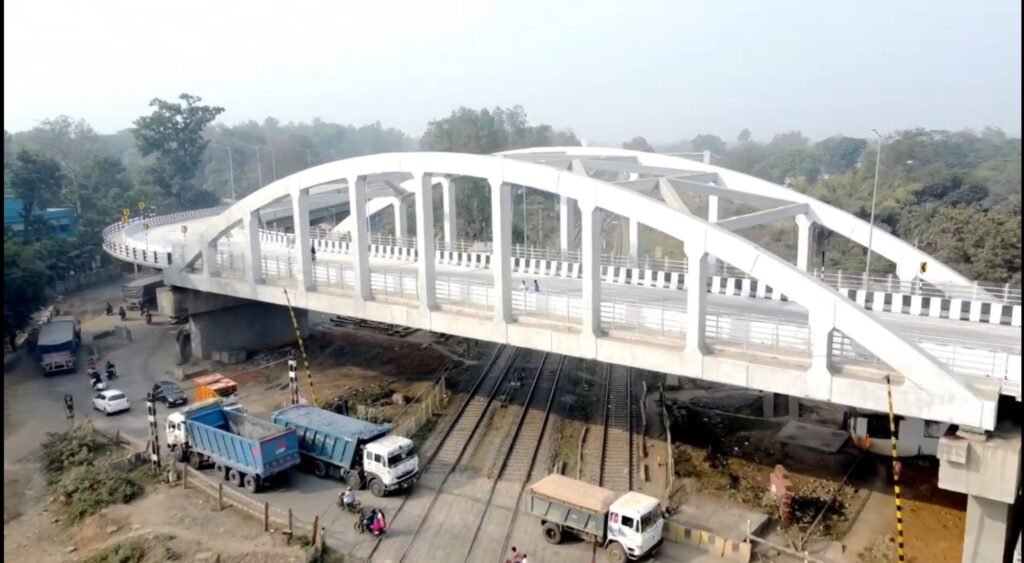
Health remains the biggest concern. Residents increasingly report respiratory problems, allergies, asthma, eye irritation, fatigue, and long-term lung issues. Senior citizens, children, and people with pre-existing conditions suffer the most. Hospitals see a spike in pollution-related illnesses every year, and doctors often advise limiting outdoor exposure—an instruction nearly impossible to follow in a bustling metropolitan region.
Pollution has also begun shaping lifestyle and real estate choices. Many families are reconsidering staying in NCR, while some are looking for cleaner-air suburbs or relocating entirely. Real estate developers are now talking about air-purifying homes, green-certified buildings, and pollution-control initiatives within residential projects. However, these remain partial solutions unless the larger environmental problem is addressed.
Authorities have taken steps like the Graded Response Action Plan (GRAP), traffic restrictions, and promoting clean energy. Yet, the scale of the issue demands stronger policies, strict enforcement, regional cooperation, and increased citizen responsibility. Plantation drives, better public transport use, waste management, and reduced dependence on private vehicles must become part of everyday culture.
Living in NCR should not feel like living inside a gas chamber. Pollution is threatening health, lifestyle, and the future of urban living here. The time to treat it as a crisis and act collectively is now—so that NCR remains not just a powerful economic zone, but also a place where people can breathe freely and live with dignity.